

22 April marks Earth Day: for this occasion Université Paris Cité is taking action to highlight the importance of better understanding and protecting our planet. Between scientific breakthroughs and open conferences, this day is the opportunity to share thoughts and views to shed light on the great modern environmental challenges.
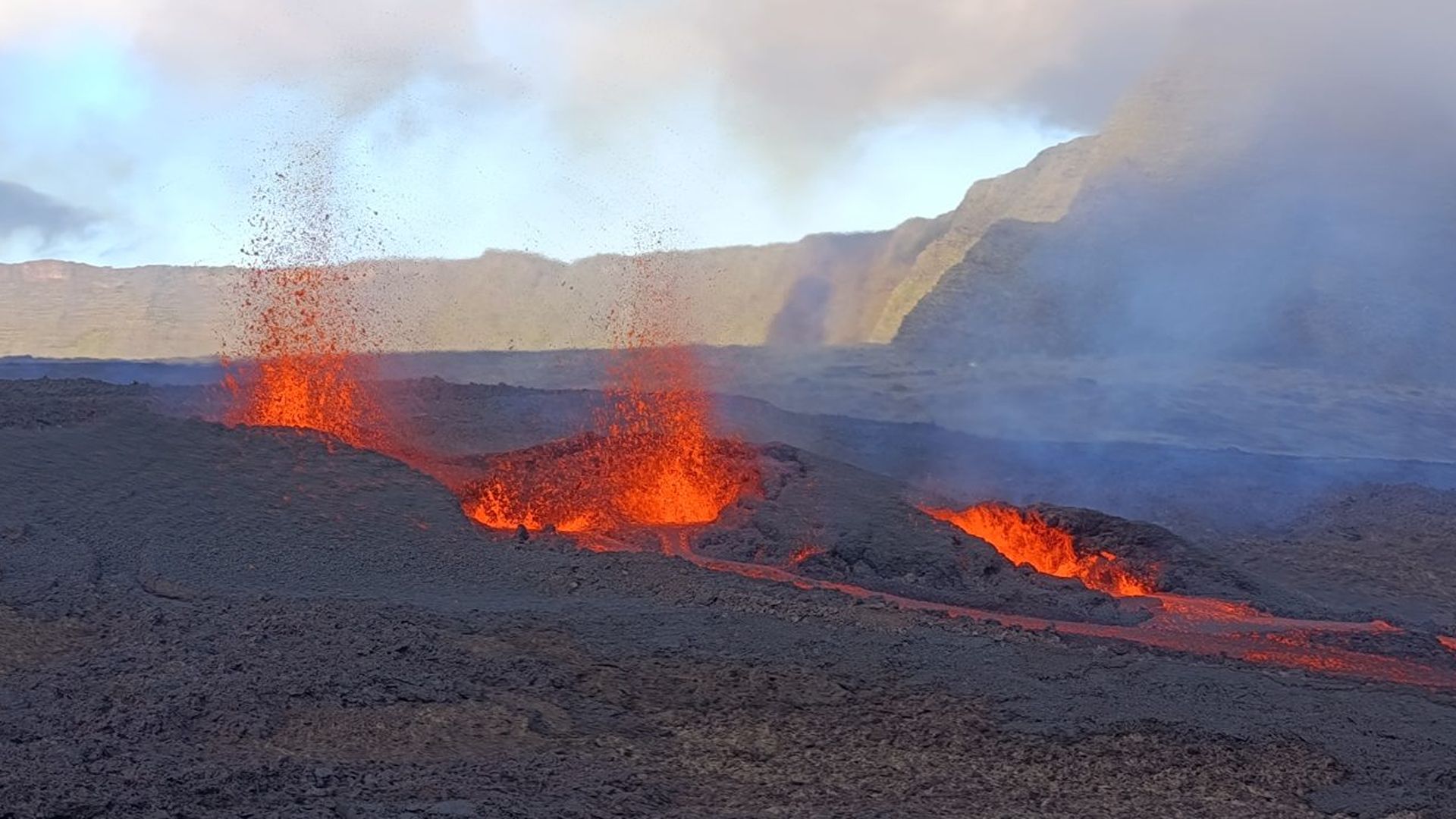
Eruption of the Piton de la Fournaise that started on 18 January 2026, observed by the OVPF-IPGP
© OVPF-IPGP
Understand climate issues
Through its alliance Circle U., Université Paris Cité creates many events throughout the year to raise awareness and educate on climate issues. To mark Earth Day, the European Alliance is organising a series of talks on 22 April focusing on major climate issues. From global warming and natural disasters to the links between climate and health, and issues relating to water and energy, this event offers an opportunity to explore key themes and gain a better understanding of their impacts.
And because, despite climate change, the Earth continues to nourish us, a visit to the botanical garden is also on offer, providing a hands-on opportunity to discover the richness and diversity of life.
Several online conferences
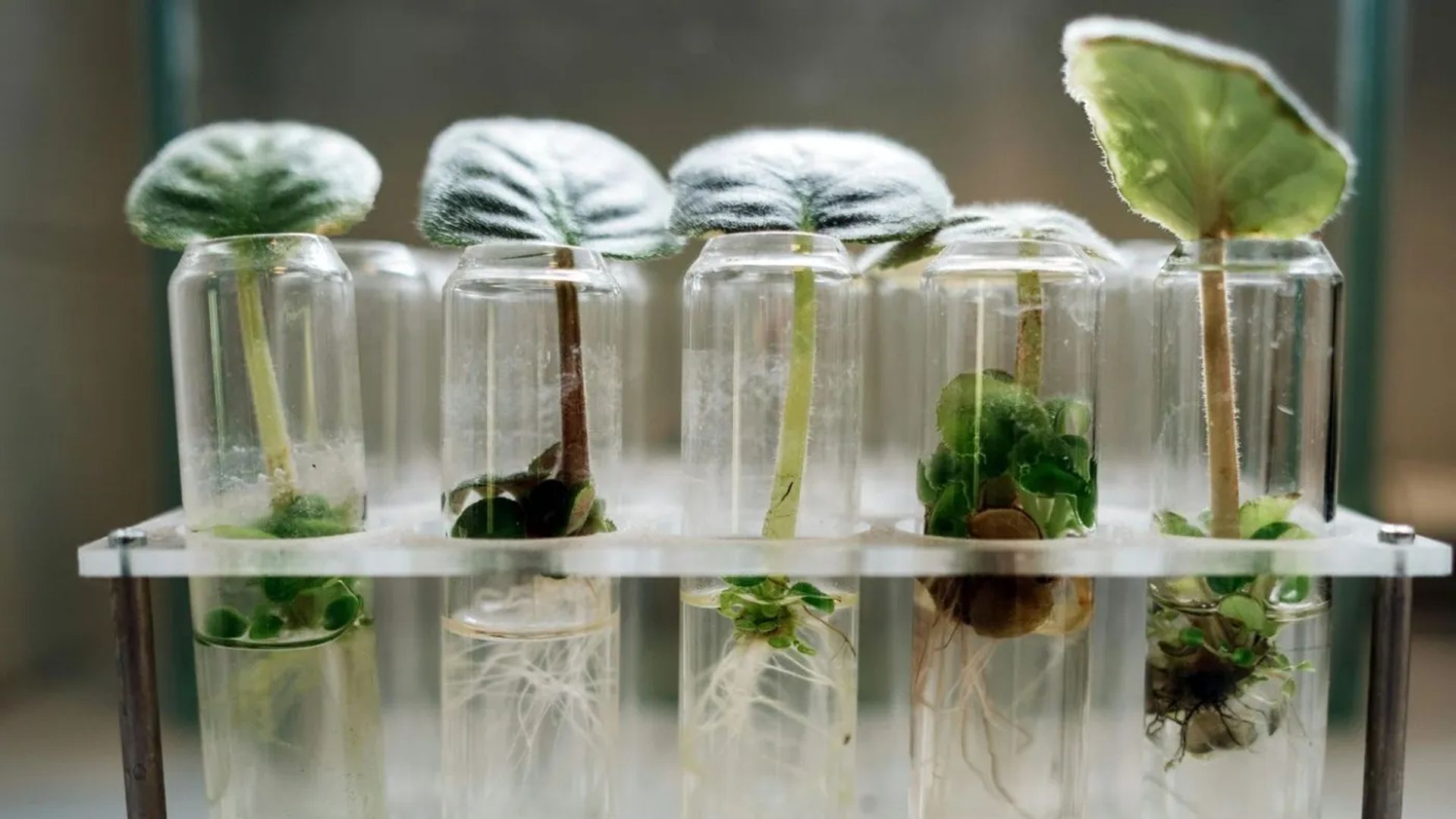
To learn more about mutual dependence between climate change and ecosystems.
A guided tour of the Faculty of Pharmacy’s Botanical Garden
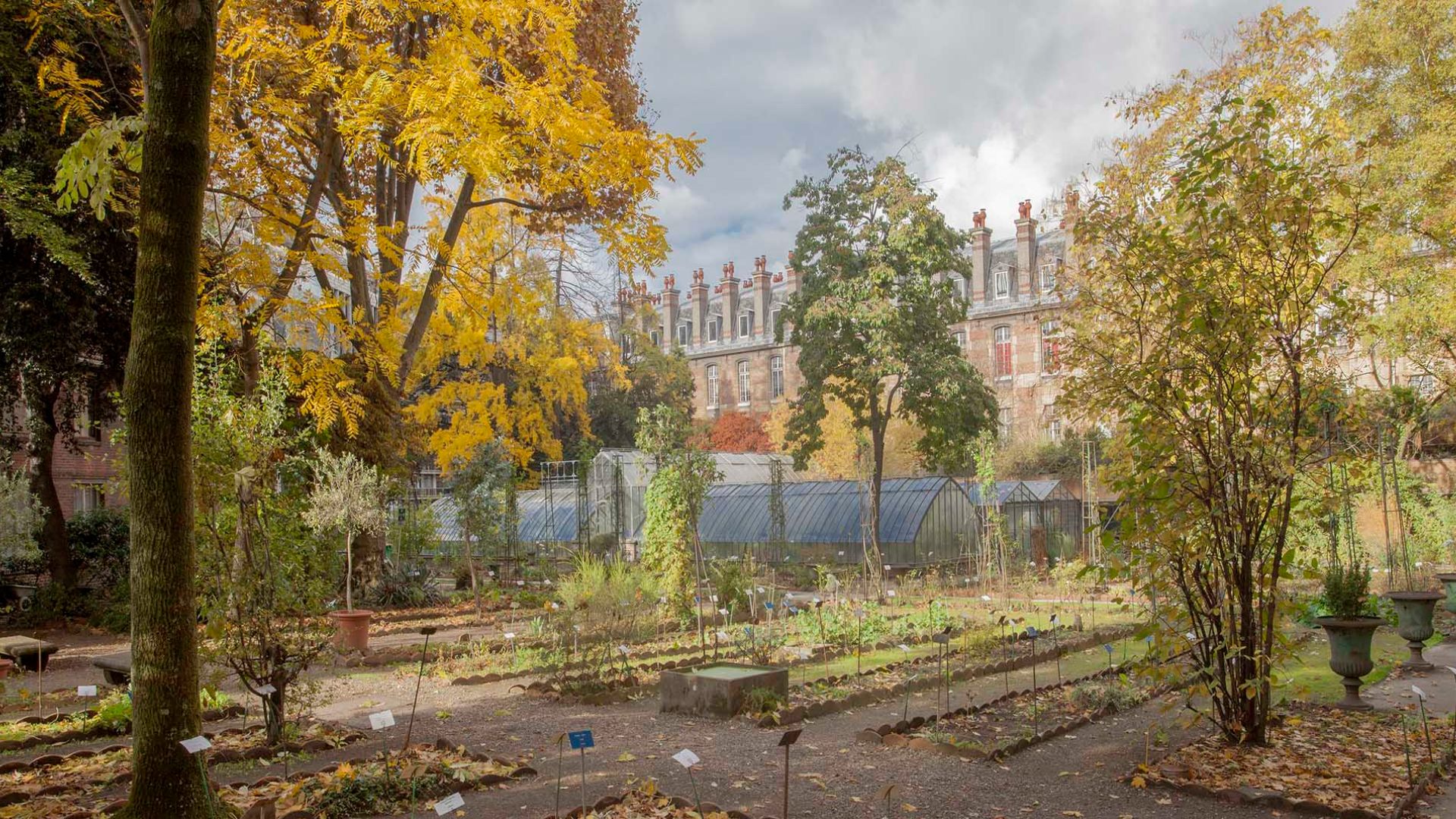
Register to discover the garden and enroll in a plant recognition workshop!
Research at the heart of the issues
At the Institut de physique du Globe de Paris, these issues are not merely a one-off focus; they underpin the day-to-day research carried out by its teams, ranging from the observation of active volcanoes and geochemical cycles to the Earth’s deepest origins. All this work contributes directly to a comprehensive understanding of the Earth system, which is essential for addressing today’s challenges.
Observe a moving planet through the Piton de la Fournaise
The eruption of Piton de la Fournaise is part of a particularly significant sequence that began in January 2026, with the first seismic activity recorded on 18 January by the OVPF-IPGP networks. A new major eruptive phase then began on 13 February 2026, with the appearance of fissures and the flow of lava down the volcano’s flanks.
Since then, the activity has kept the observatory’s teams constantly on their toes, deployed in the field to monitor the progress of the lava flows, take samples and document the processes underway. After several weeks of advancing, the lava reached the ocean during the night of 15–16 March, an event that had not occurred for nearly twenty years. This spectacular contact between the magma and seawater generates huge plumes of steam and leads to the formation of new coastal areas, veritable ‘lava deltas’, sometimes described as the world’s youngest beaches.
At the same time, some flows have crossed infrastructure, notably the main road, demonstrating the power and dynamics of the eruption. Due to its intensity, duration and the extent of its flows reaching the ocean, this episode provides an exceptional field of observation for volcanologists and serves as a strong indicator of the current activity of this volcano, which is among the most active on the planet.
Beyond the case of Réunion, this research forms part of a broader discussion on volcanic forecasting and the resilience of exposed territories.
Understanding invisible cycles: lithium isotopes in Guadeloupe
Whilst volcanoes provide a visible manifestation of Earth’s activity, other, more subtle processes play an equally crucial role. This is the case with chemical erosion, which regulates the composition of the atmosphere and the oceans over the long term.
In Guadeloupe, a team from the IPGP has studied the isotopic composition of lithium (δ⁷Li) in river waters draining the volcanic formations of Basse-Terre. This research, conducted as part of the ObsERA observatory, shows that isotopic signatures vary significantly depending on rock weathering processes and interactions with hydrothermal systems.
Published in the journal Geochimica et Cosmochimica Acta, this study highlights the role of tropical volcanic environments as natural laboratories for understanding the links between chemical weathering, climate and global biogeochemical cycles.
These findings open up significant avenues for reconstructing past climates from marine sedimentary records and better anticipating future changes in the carbon cycle.
Building the Earth’s crust: the key role of magmatic sills
Off the coast of the eastern Pacific, research into the Axial Seamount is reshaping our understanding of how oceanic crust forms.
Using high-resolution geophysical and geochemical data, a team from the IPGP has shown that the construction of the ocean floor relies not only on surface lava flows, but also on repeated injections of magma at depth, in the form of ‘sills’, which accumulate within the volcanic edifice.
These findings, published in the journal Nature Communications, shed fundamental light on the mechanisms of crustal formation, a key process in the planet’s global dynamics and in the chemical exchanges between the mantle, oceans and atmosphere.
The origins of the Earth: revisiting the question of volatile elements
Going even deeper, recent research carried out by teams at the IPGP challenges a long-held hypothesis: that of a late delivery of volatile elements – including water – by meteorites after the Earth’s formation.
By analysing the isotopic composition of materials analogous to the Earth’s mantle, the researchers show that these elements would have been largely incorporated as early as the formation of the core, over 4.5 billion years ago.
Published in Science Advances, this study proposes a major paradigm shift in our understanding of the early evolution of the Earth and the emergence of conditions conducive to life.
À lire aussi
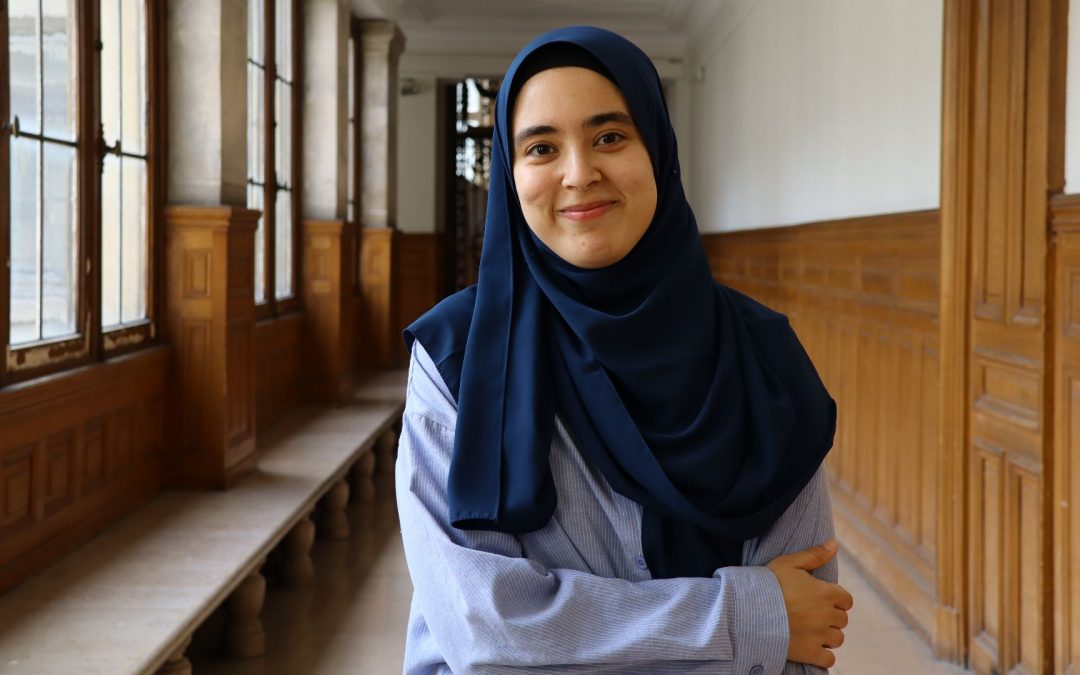
Understanding Psychiatric Disorders: Wafa Ghoul’s Research Journey Between Paris and Toronto
At the Paris Institute of Psychiatry and Neuroscience (IPNP), where researchers work collaboratively to better understand how the brain functions, Wafa Ghoul is one of a new generation of scientists seeking to shed light on the origins of psychiatric disorders through...
read more
World Health Day 2026
April 7 is World Health Day, for this occasion Université Paris Cité reaffirms its long-standing commitment for an innovative and equal health. Ranked first in France for several years across the six health-related fields of the Shanghai Ranking, the university stands...
read more![[FIRE Call for applications] Meet our PhD students FIRE!](https://www-test.u-pariscite.fr/wp-content/uploads/2026/04/Sans-titre-1920-x-1080-px111-1080x675.png)
[FIRE Call for applications] Meet our PhD students FIRE!
The Frontières de l’Innovation en Recherche et Éducation (FIRE) Doctoral School is an international and interdisciplinary PhD program accredited by the Université Paris Cité (UPCité) and co-accredited by the Université Paris Sciences et Lettres (PSL).
FIRE welcomes students who are passionate about contributing to Planetary Health and the implementation of the Sustainable Development Goals (SDGs). It hosts research projects that often fall outside the scope of traditional doctoral schools due to their unconventional and cross-disciplinary nature. We interviewed three of our PhD students, who shared their thesis topics, explained why they chose the FIRE doctoral school, and offered advice for the next cohort. Lire la suite [FIRE Call for applications] Meet our PhD students FIRE!
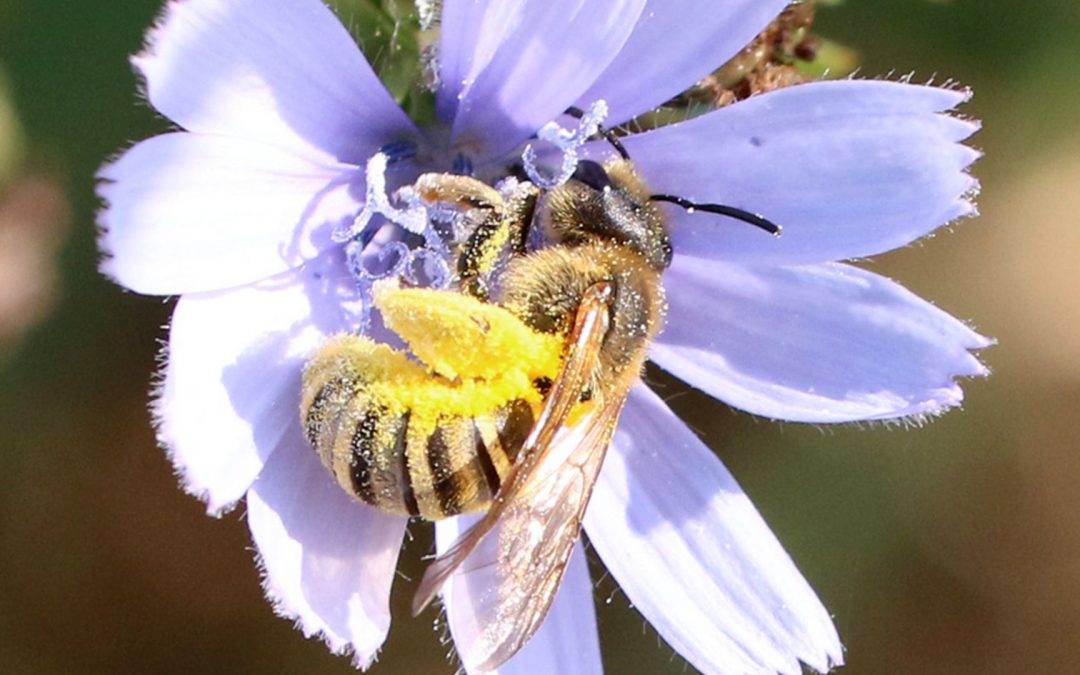
One in ten European bee species at risk, new biodiversity warning
The new european red list of bees published on February 26th catalogs almost 2000 species and draws a worrying observation that 172 species in Europe are now endangered. 10 years after a first partial assessment, our understanding of the situation has become much...
read more