

When abnormally activated, the mTOR protein can contribute to the development of cancers and certain monogenic diseases that affect around 2 million people worldwide. The multi-disciplinary MENTOR project, which stands for Metabolic control of cell growth by mTOR in pathophysiology, coordinated by Université Paris Cité, will be launched as of January 2025. The goal is to study how these growth mechanisms work in order to develop treatments adapted to each patient.
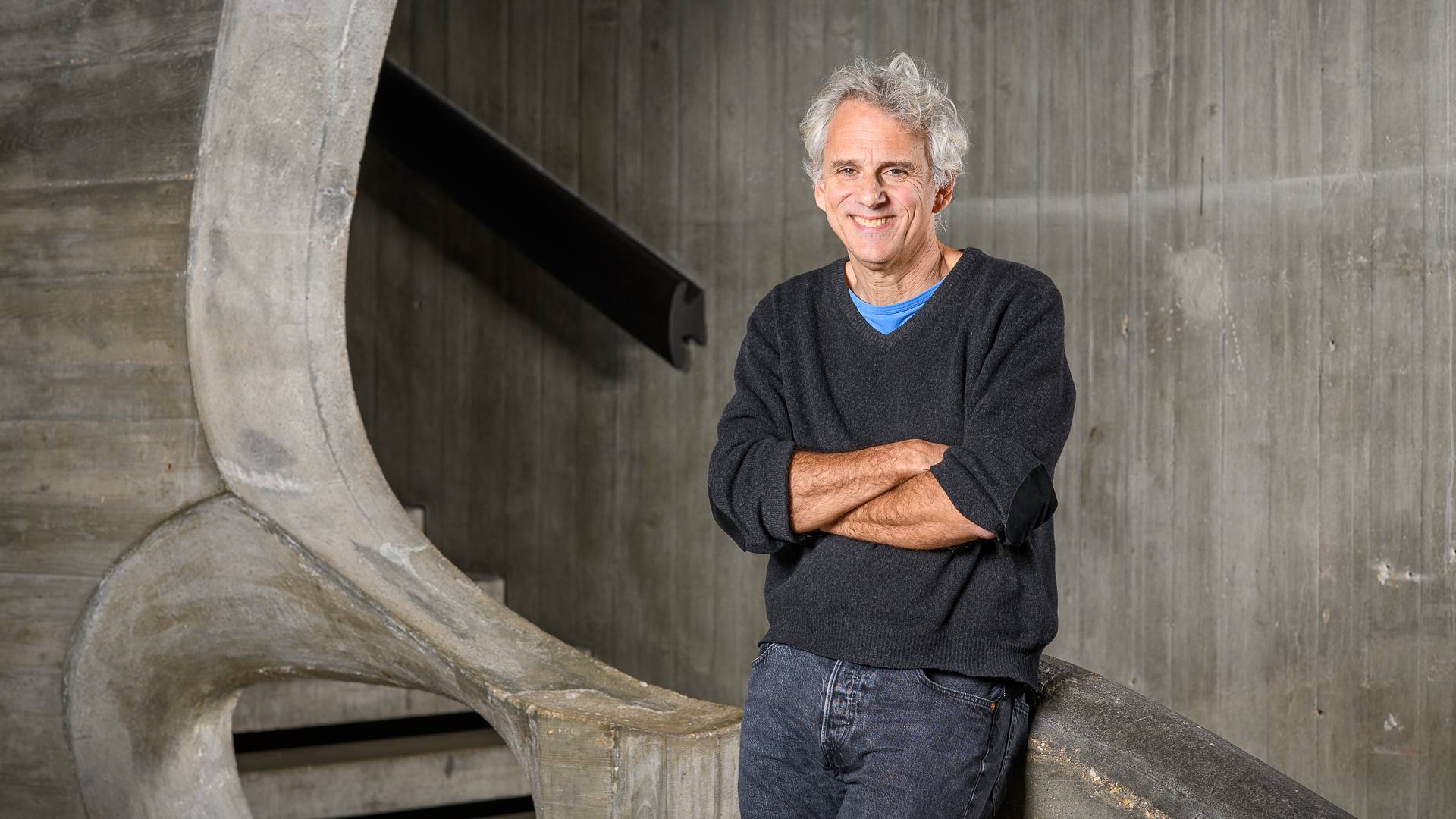
Dr Mario Pende © François CHRISTOPHE / Institut Necker Enfants Malades
An Interdisciplinary Approach to Research & Training
The MENTOR project, coordinated by Dr Mario Pende at Université Paris Cité, is one the 17 French winners of the MSCA Doctoral Networks call for project proposals. The project brings together 15 laboratories specialising in chemistry, biology and health. Joint funding from the European Union and Switzerland will enable the recruitment of 18 PhD students, each of whom will work in one of the 15 laboratories related to their field of study. “The idea of the project is to get students in chemistry, biology and medicine to work together,” explains Dr. Mario Pende. Students will be trained through collaborative research, as well as through thematic schools planned as part of the programme.
Focus on mTOR Signaling Pathway
The mTOR signaling pathway, on which the project will focus, “has the ability to detect nutrient and insulin levels around the cell”, says Mario Pende. This ability to recognise nutrients is crucial, as it enables mTOR to trigger the cell’s growth mechanisms and the synthesis of macromolecules such as DNA, RNA and proteins. When mTOR is abnormally activated, it can contribute to the development of cancers and certain monogenic diseases that can threaten the lives of children, by preventing the proper development of organs such as the brain. Research is therefore needed to “develop treatments specifically adapted to children’s pathologies and the genetic mutations observed”, explains Dr. Pende.
By involving several scientific disciplines, MENTOR plans to conduct a comprehensive study of the mTOR signaling pathway. “Chemistry laboratories will work on the production of inhibitors to regulate enzymes involved in these growth mechanisms, while laboratories specialising in genetics will work on identifying new mutations involved in the various pathologies. Biologists will focus on molecular mechanisms and medical services on patient care”, explains the researcher.
Collective Support at UPCIté
Mario Pende says that, for the MENTOR project, “the work done by Université Paris Cité was instrumental in providing administrative support”. In particular, the project design department of the Faculty of Health was involved in drafting the project and signing the documents required for financial support from the European Union. Université Paris Cité is also involved in drawing up the budget and financial management of the 4 million euros allocated to the MENTOR project by the European Union. In addition, the university will be contributing to the creation of an intellectual property charter and to the monitoring committees that will be set up for doctoral students.
Read more

Earth Day: Putting Science at the Heart of Planetary Balance
22 April marks Earth Day: for this occasion Université Paris Cité is taking action to highlight the importance of better understanding and protecting our planet. Between scientific breakthroughs and open conferences, this day is the opportunity to share thoughts and...
read more
Understanding Psychiatric Disorders: Wafa Ghoul’s Research Journey Between Paris and Toronto
At the Paris Institute of Psychiatry and Neuroscience (IPNP), where researchers work collaboratively to better understand how the brain functions, Wafa Ghoul is one of a new generation of scientists seeking to shed light on the origins of psychiatric disorders through...
read more
World Health Day 2026
April 7 is World Health Day, for this occasion Université Paris Cité reaffirms its long-standing commitment for an innovative and equal health. Ranked first in France for several years across the six health-related fields of the Shanghai Ranking, the university stands...
read more![[FIRE Call for applications] Meet our PhD students FIRE!](https://www-test.u-pariscite.fr/wp-content/uploads/2026/04/Sans-titre-1920-x-1080-px111-1080x675.png)
[FIRE Call for applications] Meet our PhD students FIRE!
The Frontières de l’Innovation en Recherche et Éducation (FIRE) Doctoral School is an international and interdisciplinary PhD program accredited by the Université Paris Cité (UPCité) and co-accredited by the Université Paris Sciences et Lettres (PSL).
FIRE welcomes students who are passionate about contributing to Planetary Health and the implementation of the Sustainable Development Goals (SDGs). It hosts research projects that often fall outside the scope of traditional doctoral schools due to their unconventional and cross-disciplinary nature. We interviewed three of our PhD students, who shared their thesis topics, explained why they chose the FIRE doctoral school, and offered advice for the next cohort. Lire la suite [FIRE Call for applications] Meet our PhD students FIRE!