

On November 14th, Université Paris Cité welcomed nearly 50 new international staff members – visiting lecturers, doctoral and post-doctoral students, researchers, and contractual lecturer-researchers of foreign nationality – who have arrived since the beginning of 2025 for contracts of at least one year. Designed as a special opportunity for integration, this event is part of the university’s international strategy and research policy, which makes openness to the world and attracting talent a major focus of its development.
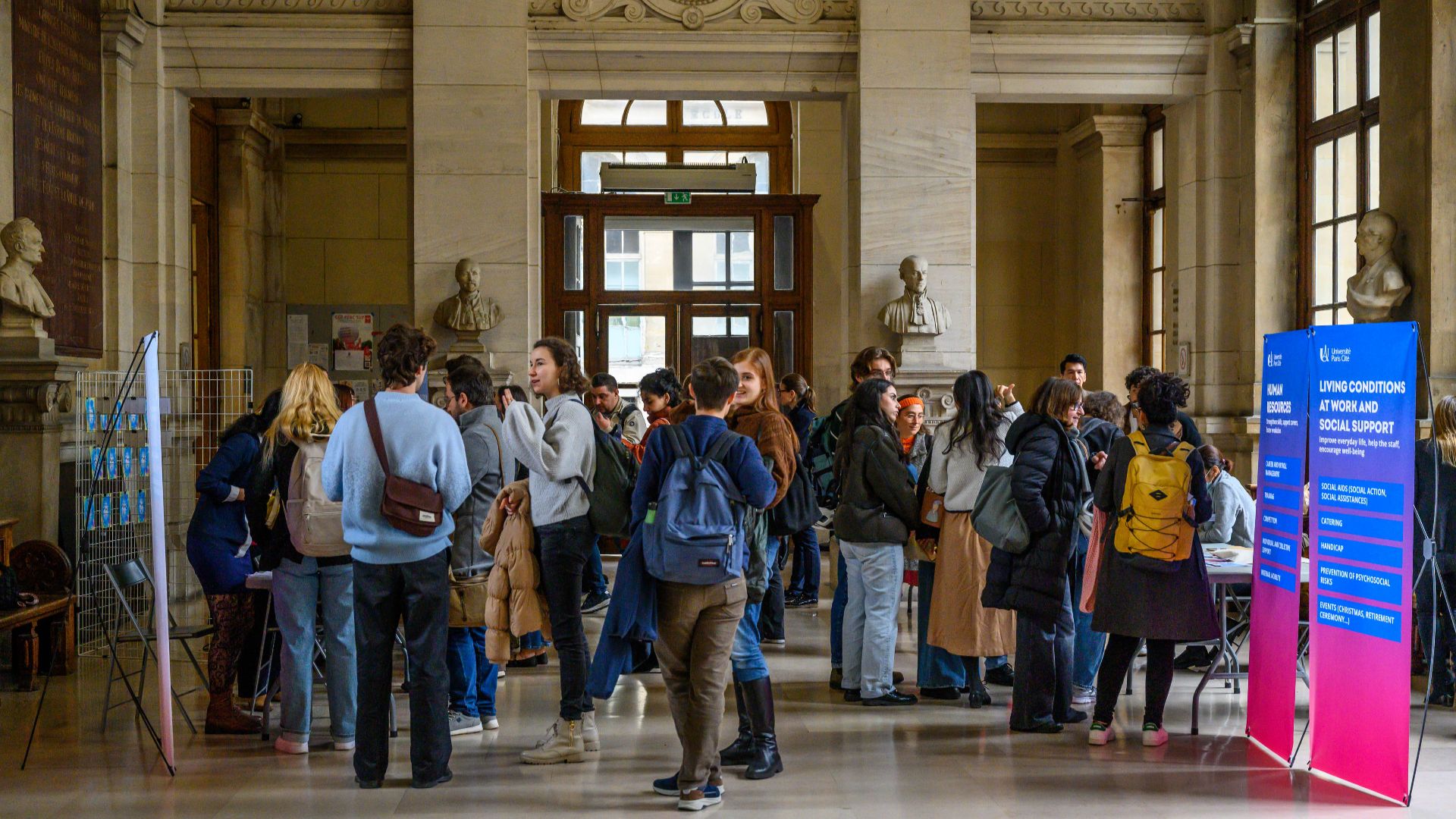
Welcoming of the new international staff members in the hall of the university headquarters, Odéon Site
Internationalisation is a strategic pillar of Université Paris Cité, which aims to strengthen its partnerships, increase its global visibility and promote researcher mobility. Beyond providing institutional and practical information, this meeting aims to facilitate the integration of new colleagues, encourage exchanges between peers and with university teams, and create the conditions for a dynamic and committed international scientific community.
Presentations focusing on the university’s strategic priorities
The morning was punctuated by several institutional presentations that anchored the meeting in the broad strategic directions of Université Paris Cité:
- Ms Anne-Paule Roqueplo, Vice-President for Research, presented the university’s research strategy and support mechanisms for researchers, emphasising the importance of international mobility in scientific development.
- Ms Miryana Hemadi, Vice-President for Human and Financial Resources, spoke about the main thrusts of the university’s HR development strategy for a high-quality, transparent, inclusive and responsible research environment, including HRS4R certification.
- Mr Antoine Kouchner, Vice-President for Strategy and International Relations, detailed the institution’s international strategy, its structural partnerships and the university’s global ambitions.
- Ms Clara Charrier, Digital Ticketing Development Project Manager, presented the university’s cultural offering, which is accessible to all staff.
- Ms Lucrèce Friess and Ms Zahra Sanaatian outlined the French as a foreign language courses, which are essential for supporting the linguistic integration of new arrivals.
Information stands to learn more about key services
Several stands were then available to participants to introduce them to the structures and systems essential to their support:
- Faculty Research Centers (Science; Health; Society & Humanities)
- The College of Doctoral Schools
- The Deputy Director General of Human Resources and Organizations
- The Culture Center
- French as a Foreign Language
- The CPAM
These discussion areas allowed new staff to obtain personalized information, meet key contacts, and better understand how the university and its services work.
A welcome that is part of an overall strategy of attractiveness and research
By organizing this meeting, Université Paris Cité reaffirms its commitment to creating an environment conducive to international mobility and exchange and to supporting scientific excellence. Welcoming international staff is one of the key drivers of its global influence and the development of long-term scientific partnerships.
À lire aussi
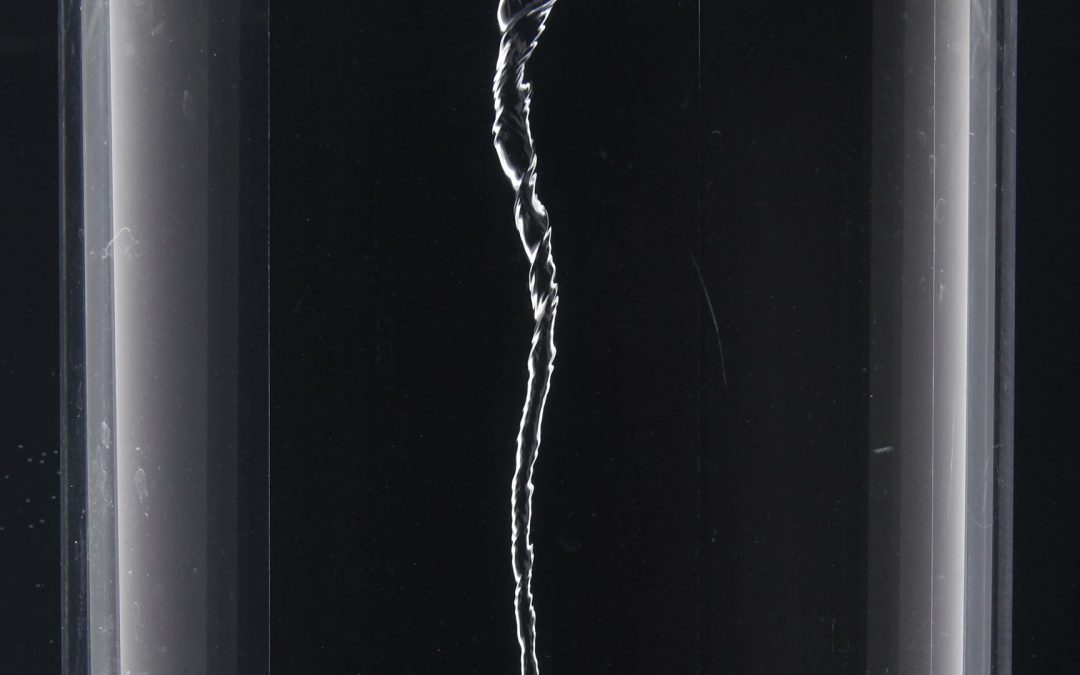
Les ondes de Kelvin : des tourbillons quantiques aux tornades géophysiques
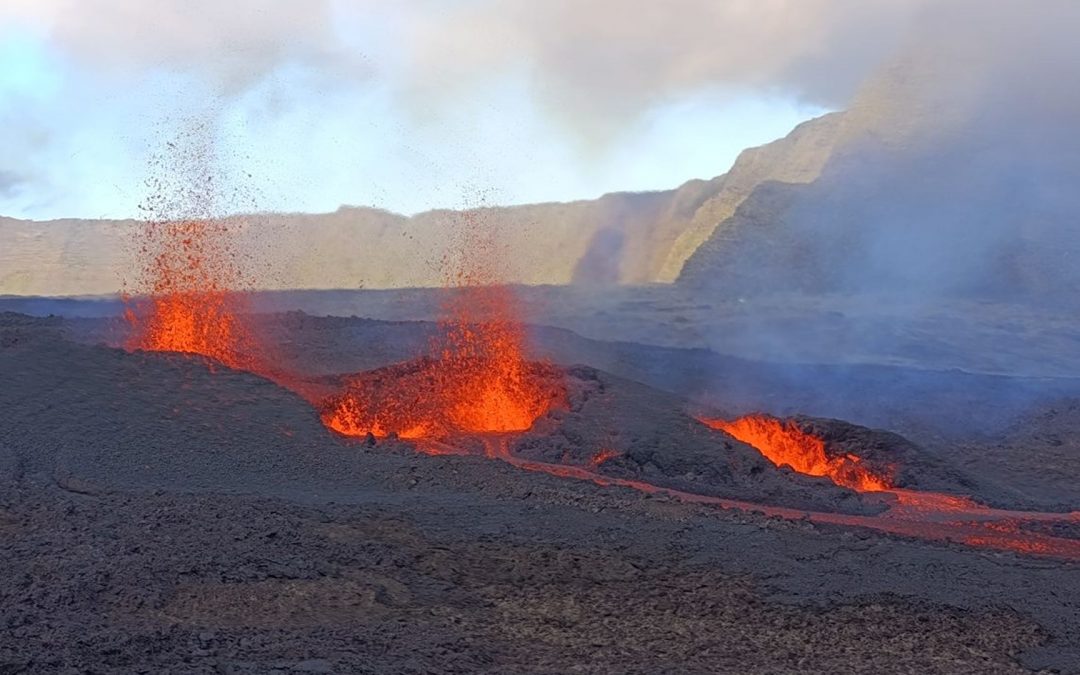
Earth Day: Putting Science at the Heart of Planetary Balance
22 April marks Earth Day: for this occasion Université Paris Cité is taking action to highlight the importance of better understanding and protecting our planet. Between scientific breakthroughs and open conferences, this day is the opportunity to share thoughts and...
read more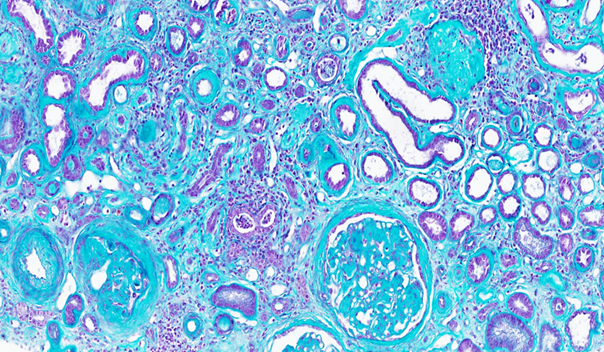
Découverte d’un nouveau mécanisme clé de la progression des maladies rénales
Les maladies rénales chroniques ont un point commun : une fois amorcées, quelle qu’en soit la cause et même si celle-ci est traitée, elles finissent toujours par s’aggraver. Deux équipes de l’Inserm, de l’Université Paris Cité et du CNRS viennent de découvrir le chef...
read more
Face à la rigidification des sols, les racines développent une capacité d’auto-adaptation inédite
Une équipe du laboratoire Matière et Systèmes Complexes (MSC - Université Paris Cité/CNRS), impliquée dans une collaboration internationale, met en évidence un mécanisme original permettant aux racines de s’adapter à la rigidification des sols, un phénomène accentué...
read more