

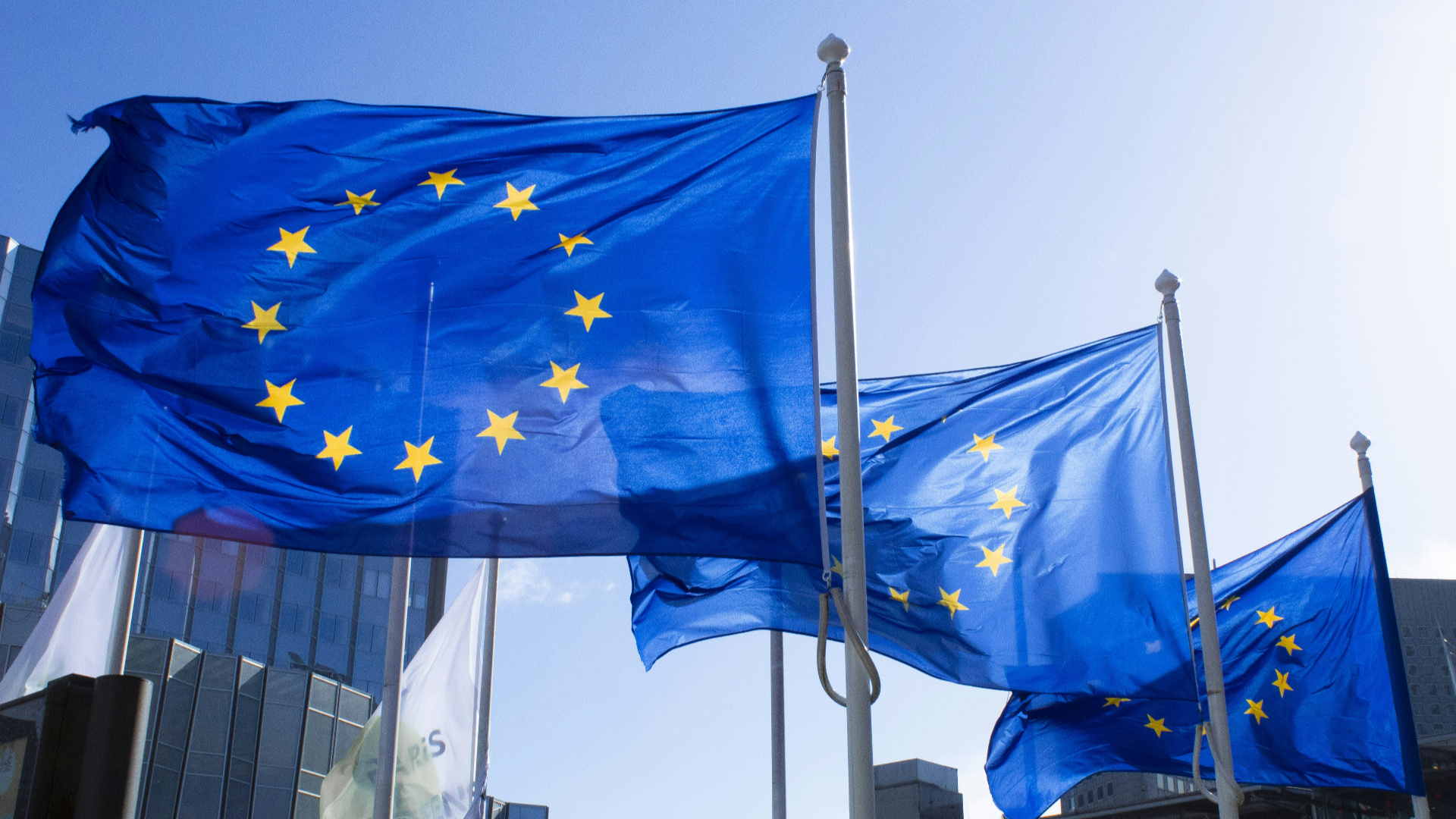
European mobility: opportunities for everyone
At Université Paris Cité, Europe offers opportunities for development across all academic and professional pathways. Students, PhD students, academic and administrative staff: there is a European pathway tailored to every profile.
Three pillars underpinning the European dynamic
By combining the opportunities offered by the Circle U. European Alliance, The Guild network, and the Erasmus+ programme, UPCité provides a unique platform for exchange across the continent. These frameworks foster open-mindedness, the sharing of expertise, and the building of lasting connections throughout Europe.
The resulting mobility opportunities are diverse: they range from full-semester immersions and week-long stays to remote collaboration with European peers from Paris.
Learn more about UPCité's European alliances and networks
To achieve its ambitions, Université Paris Cité relies on complementary frameworks that structure its European action:
-
Circle U.: From alliance to European University. This alliance enables its 470,000 students and 64,000 staff members to cooperate across borders to build more sustainable and healthy societies. It offers a shared course catalogue, supports the internationalisation of teaching, and works with partners from civil society.
-
The Guild of European Research-Intensive Universities: advocating for research. This network brings together 23 European research-intensive universities. Its role is to represent the university’s voice before European institutions to influence higher education and research policies.
-
Erasmus+: the cornerstone of mobility. The Erasmus+ programme (EuRopean Action Scheme for the Mobility of University Students) promotes mobility between higher education institutions, offering students the opportunity to study and train in over 30 countries across Europe.
Voices of the European experience
Staff Week was an exceptional opportunity to meet and exchange ideas with colleagues from university libraries across several European countries. These discussions were incredibly enriching moments of learning, debate, and sharing. We had the chance to discuss the current challenges facing academic libraries, share advice, and, where possible, find concrete solutions. The bonds formed during this week will undoubtedly be lasting. Watch Mariano’s interview
Mariano D’Ambrosio - Department of Mathematics, Library servicesI’ve been lucky enough to have two experiences abroad: a year-long Erasmus in Manchester and a summer internship in Lausanne. I always dreamed of going away, but in medical school, the possibility of going abroad isn’t often discussed. It brought me so much — self-confidence and a perspective on other healthcare systems. Even though I love my studies in France, seeing other educational systems gave me a critical eye; it showed me that there are other ways to practice medicine, particularly in psychiatry. Listen to Romane’s interview
Romane Demazure, fifth-year medical student – Faculty of HealthResearch involves so many drafts and having multiple Word documents open at once. While talking with Italian colleagues, I realised that the same themes I was studying existed in Italy as well. They mentioned certain Italian journals that trace the history of women’s rights there, and I thought: why not try a comparative approach? Ultimately, human connections are just as important as academic development—it’s an enriching experience that I would recommend 100%.
Anastasia Azar, PhD student at Doctoral School 262 – Faculty of Law, Economics and ManagementBringing Europe to your screen
Thanks to the Circle U. alliance, Europe is now an integral part of university life, extending far beyond physical borders. The alliance’s nine member universities form a European campus offering innovative course formats and a wide range of mobility opportunities for students of all backgrounds.
These virtual mobilities allow students to experience multiculturalism and enrich their academic journey without leaving their home campus. For academic and administrative staff, this connected Europe is a direct driver of collaboration and pedagogical innovation.
The Circle U. Open Campus
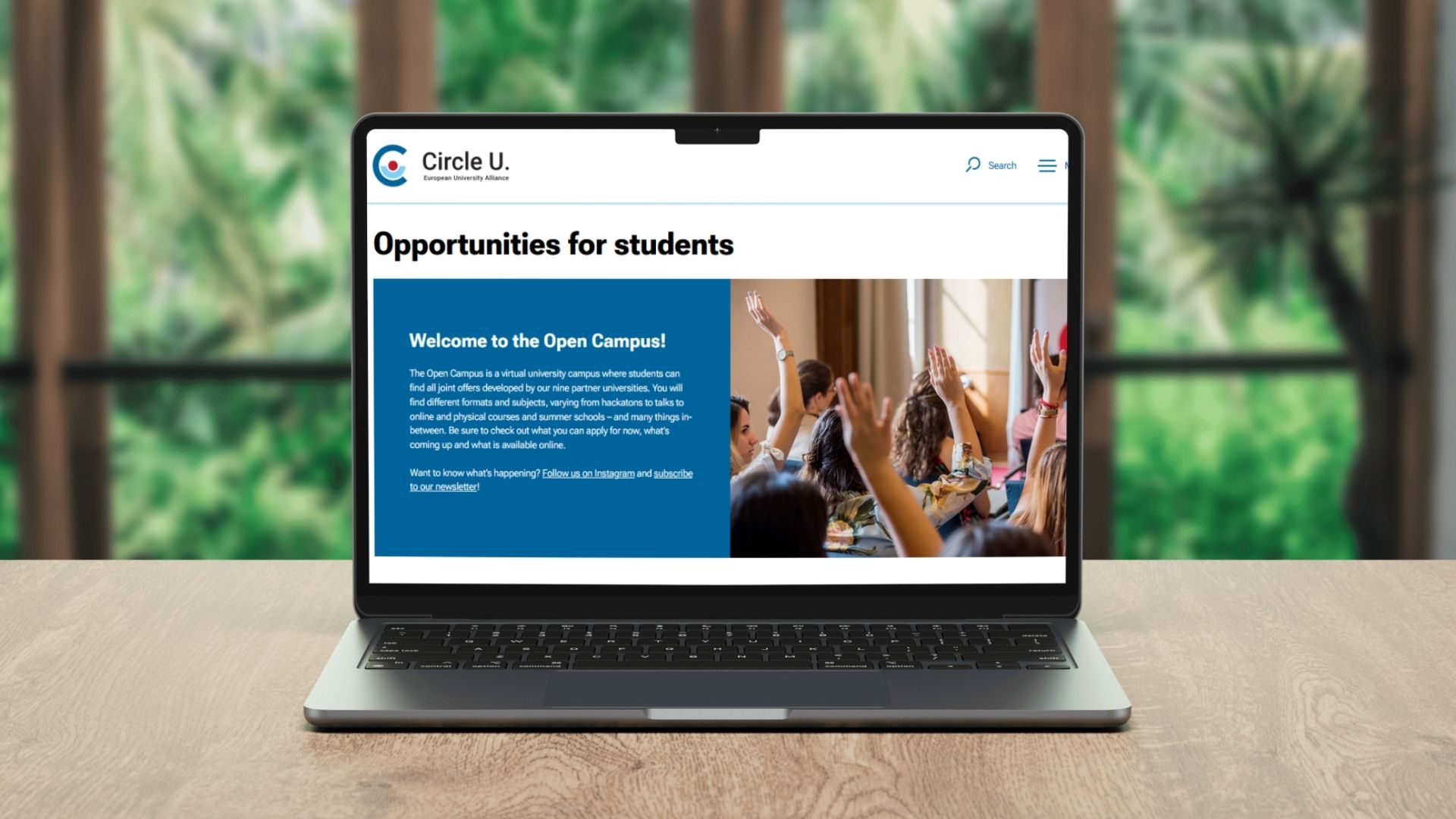
A platform centralising the alliance’s entire educational offer to internationalise students’ curriculum through virtual modules or short-term mobility.
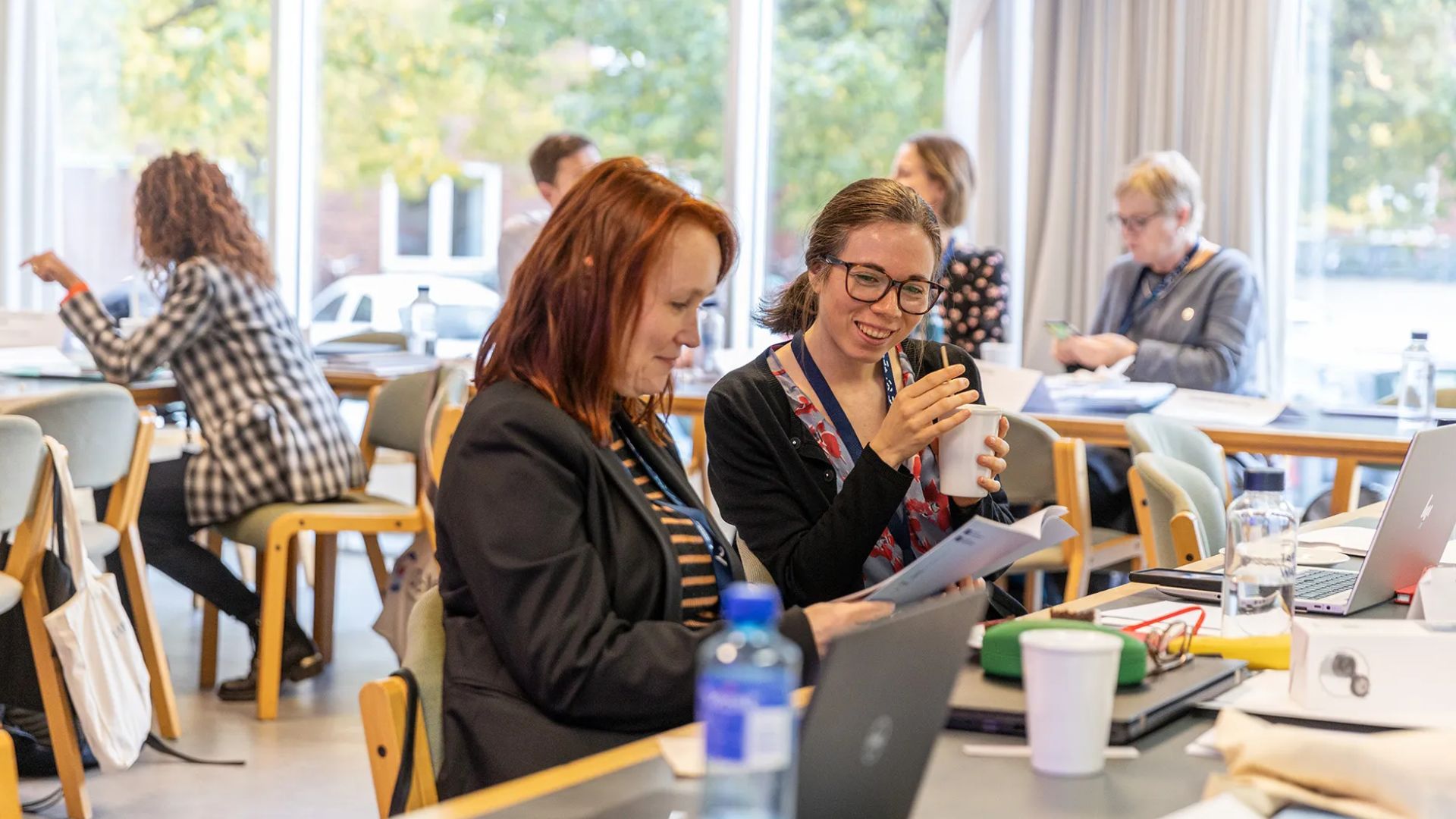
The Circle U. Communities of Practice
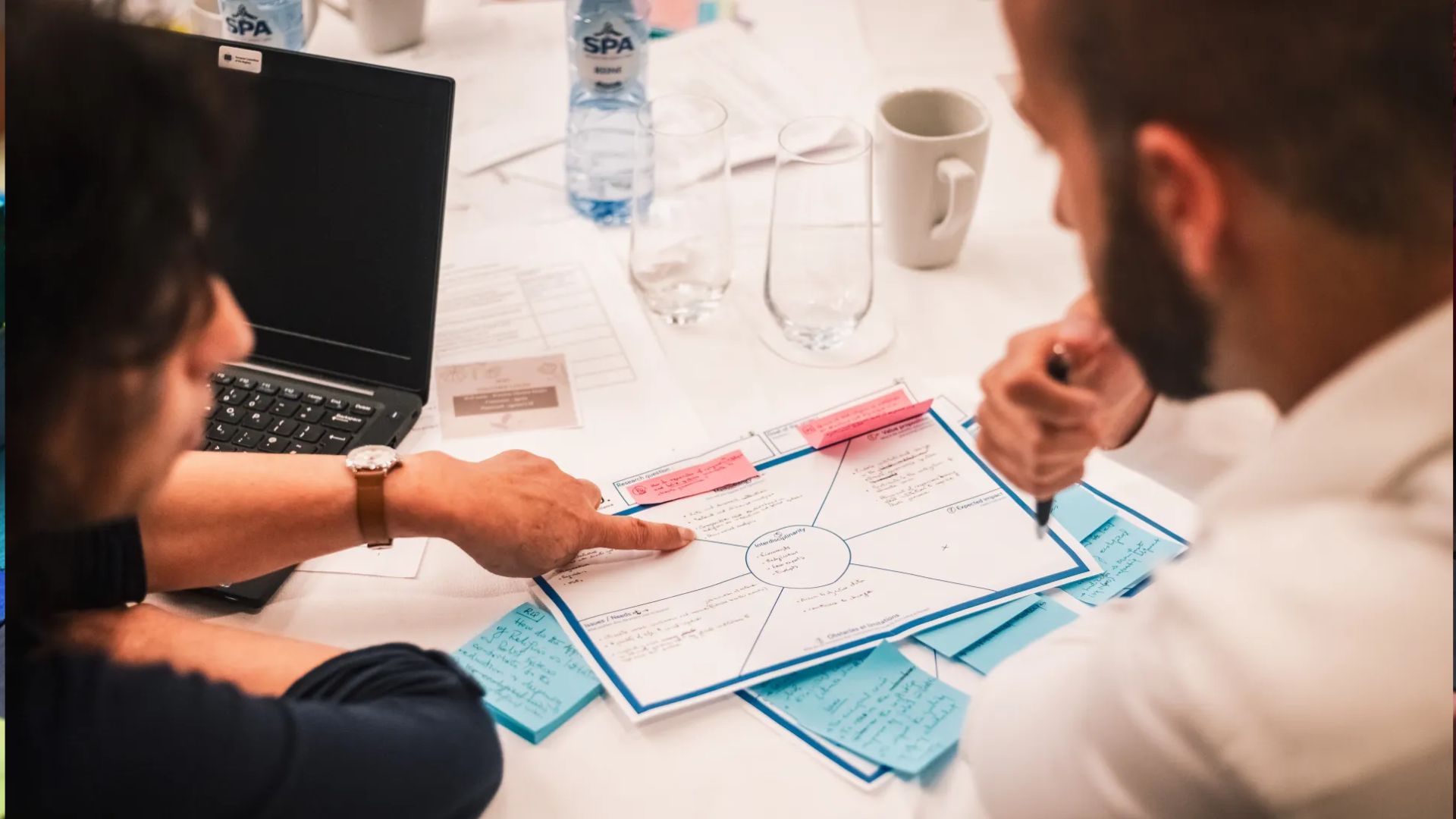
The Circle U. Academic Directory
UPCité: A key player in the European Research Area (ERA)
Université Paris Cité is asserting its influence in Europe through its active involvement in The Guild. This network enables the university, alongside its partners, to conduct strategic advocacy in Brussels, ensuring that scientific excellence remains at the heart of future research policies. This commitment is also reflected in concrete collaborative initiatives, such as the Guild Law Doctoral Workshop on the Rule of Law, recently hosted by the University of Ljubljana.
Conferences tackling tomorrow’s major challenges
Through its networks and partnerships, UPCité drives European research forward by fostering practical collaborations on major societal issues, such as global health, democracy and climate change. This approach is clearly reflected in the work of Circle U., which draws on its members’ expertise to jointly develop responses to the challenges of our century and to share knowledge.
Find the upcoming thematic webinars below:
 May 12 | 14:00
Populist Politics in Comparative Perspective: Drivers, Manifestations, and Democratic Outcomes
Online
May 18 | 10:00
Remembering the Covid-19 Pandemic
Online
May 20 | 14:00
What works, when, how and why: Promising practices for a more hopeful future
Online
May 22 | 14:00
Navigating power in international interactions: a view across languages and cultures
Online
À lire aussi
![[Paris-NUS] 2026 Calls for Project Results and Awarded Projects](https://www-test.u-pariscite.fr/wp-content/uploads/2026/04/2017-BTC-Signage-3-V2-2-1-1080x675.jpg)
[Paris-NUS] 2026 Calls for Project Results and Awarded Projects
Building on its privileged partnership between Université Paris Cité (UPCité) and the National University of Singapore (NUS), three calls for proposals were launched in 2025, giving both institutions’ communities the opportunity to further strengthen and expand their...
read more
One Health Summit: the Graduate School 1H-EID at the heart of global health issues
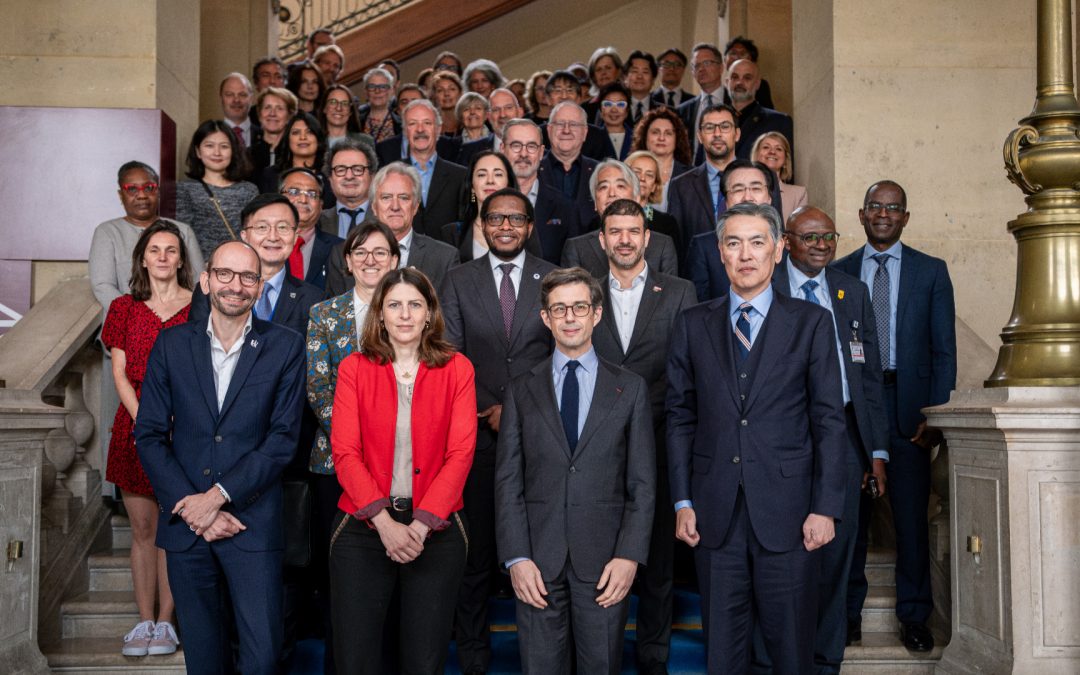
U7+ Summit 2026: Universities Help Shape the G7 Agenda
Seven years after its launch at the Biarritz G7 Summit, the U7+ Alliance returned to Paris on 14 and 15 April for a presidential summit focused on the social responsibility of universities. Co-hosted by Université Paris Cité, École Polytechnique and Sciences Po, this...
read more
Earth Day: Putting Science at the Heart of Planetary Balance
22 April marks Earth Day: for this occasion Université Paris Cité is taking action to highlight the importance of better understanding and protecting our planet. Between scientific breakthroughs and open conferences, this day is the opportunity to share thoughts and...
read more